

How to Combine Aromatherapy and Steam Sauna at Home
Combining aromatherapy and steam sauna is defined as the deliberate infusion of therapeutic essential oils into a steam sauna environment to amplify heat therapy’s physical and mental benefits. The practice, known in wellness circles as aufguss in its traditional German form, transforms a standard sauna session into a full sensory ritual targeting stress relief, respiratory support, and deep muscle relaxation. Steam opens pores and airways simultaneously, making the body far more receptive to volatile aromatic compounds than it would be in dry air. Done correctly, the result is measurably deeper relaxation than either therapy delivers alone.
How to combine aromatherapy and steam sauna: what you need first
Before you pour a single drop of oil, you need the right setup. Not every sauna type handles essential oils the same way, and the wrong combination of equipment and oils can damage your unit or irritate your lungs.
Steam sauna types and their compatibility:
- Portable steam saunas (like the full-size collapsible model from Evervibelife) use a separate steam generator, which makes adding aromatic water straightforward through the generator’s water reservoir.
- Built-in traditional saunas with sauna stones allow the classic ladle-and-bucket method, pouring scented water directly over heated rocks.
- Infrared saunas operate differently. They do not produce steam, so aromatherapy is applied via spray bottles or a separate diffuser placed inside the cabin, not on heating elements.
Essential oils that perform well in steam environments:
- Eucalyptus and peppermint for respiratory support and mental clarity
- Lavender and bergamot for stress relief and calming
- Tea tree for its antibacterial properties
- Rosemary and pine for an energizing, invigorating effect
- Ylang-ylang for deep relaxation and mood support
Required accessories:
- A wooden bucket and ladle for stone application
- A spray bottle for infrared or portable units
- A measuring dropper for precise dilution
- A heat-safe mixing bowl for preparing aromatic water
The standard dilution ratio is 3 to 5 drops of essential oil per liter of water. This concentration releases enough vapor to be therapeutic without overwhelming the space. Synthetic fragrances should never be used in saunas because they contain chemical compounds that irritate airways and provide zero therapeutic benefit. Only 100% pure, natural essential oils belong in a sauna environment.
Pro Tip: Buy oils from suppliers who provide GC/MS (gas chromatography/mass spectrometry) test reports. This confirms purity and rules out adulteration with synthetic compounds that could harm you in a high-heat environment.
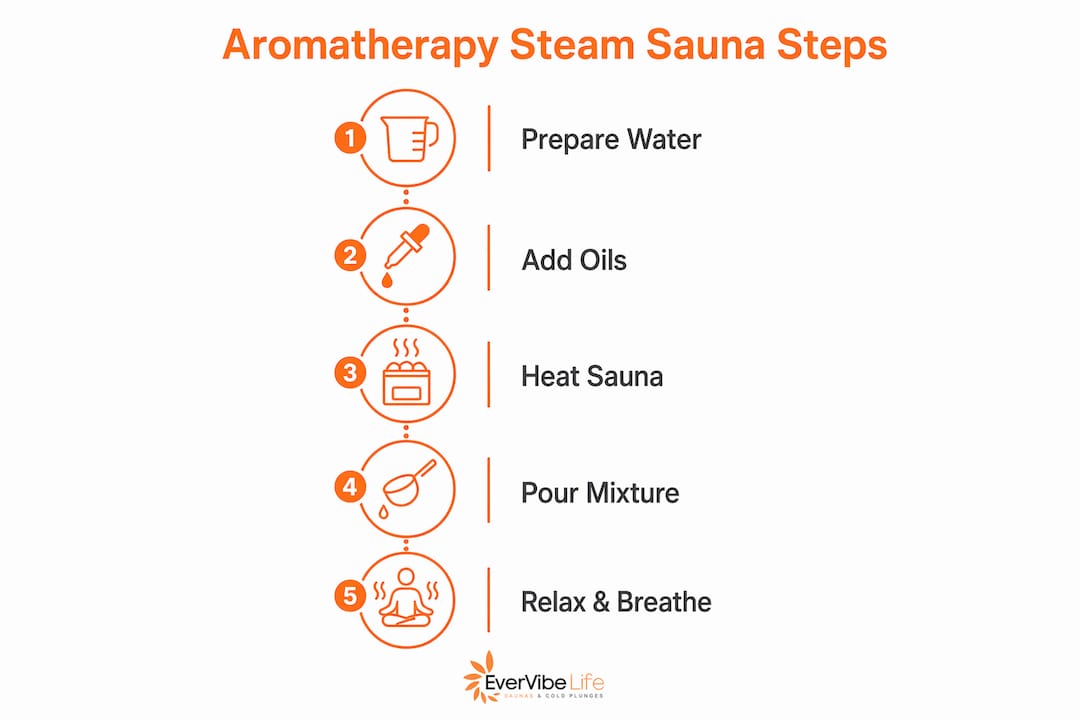
Step-by-step guide to your first aromatherapy steam session
Preparation is where most people cut corners, and that is exactly where the experience either succeeds or falls flat. Follow this sequence for a session that is both safe and genuinely therapeutic.
-
Heat your sauna fully before adding any oil. Stones or steam generators need to reach operating temperature first. Adding oils to a cold or warming unit wastes the oil and can cause uneven vapor distribution.
-
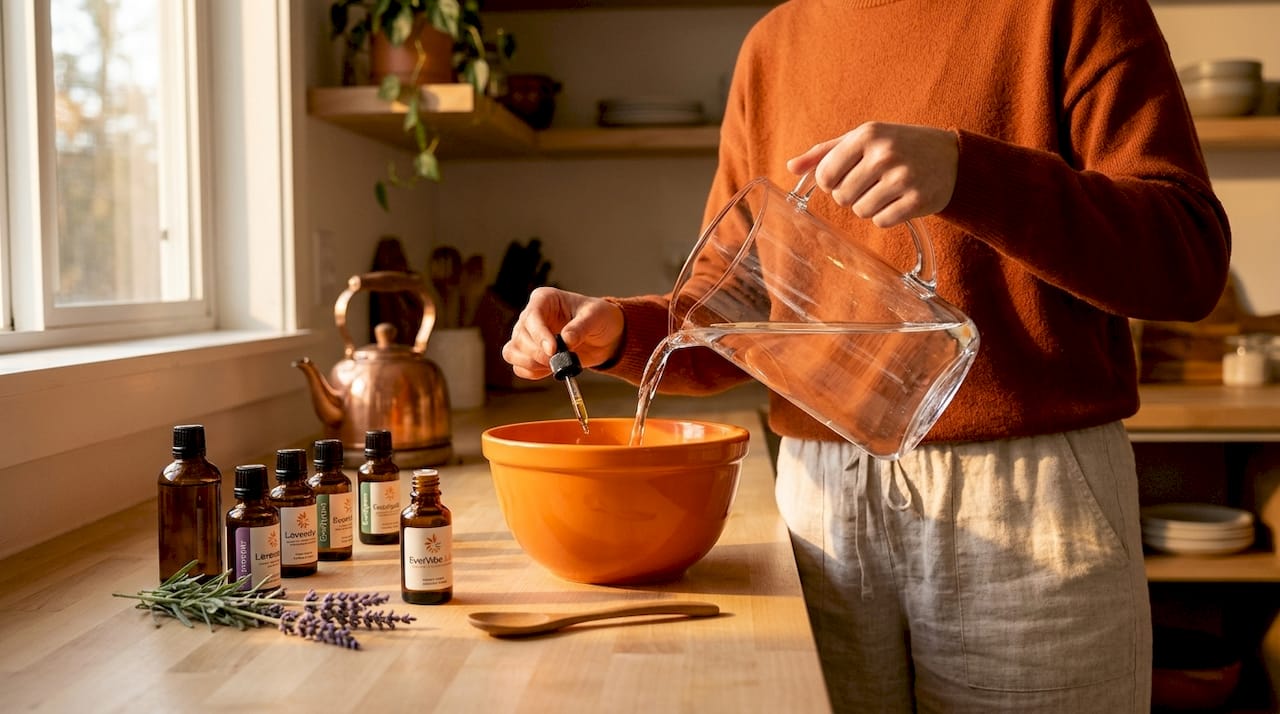
Prepare your aromatic water. Add 3 to 5 drops of your chosen essential oil to one liter of room-temperature water. Stir thoroughly. Never add undiluted oil directly to stones or the steam generator reservoir.
-
Apply using the ladle method or ice ball technique. For stone-based saunas, ladle small amounts of aromatic water over the rocks in slow, deliberate pours. The ice ball method is an excellent alternative: freeze your diluted aromatic water into ice balls and place them on the stones. The slow melt disperses scent evenly and prevents volatile scent bursts that can irritate airways. This technique is the safest method for consistent, controlled diffusion.
-
Time your aromatic applications. Apply scented water or place an ice ball every 8 to 10 minutes. This maintains a steady aromatic atmosphere without building up excessive vapor concentration.
-
Set your session duration. Experts recommend sauna sessions of 10 to 30 minutes, repeated 2 to 4 times per week, for measurable benefits including reduced cortisol and improved cardiovascular health. For beginners combining aromatherapy with steam for the first time, start at 10 to 15 minutes and assess your body’s response before extending.
-
Breathe intentionally. Take slow, deep nasal breaths during steam bursts to maximize inhalation of aromatic compounds. This is where the respiratory and relaxation benefits are actually delivered.
-
Cool down and hydrate. Exit the sauna, drink at least 500ml of water, and allow your body 10 to 15 minutes to return to baseline before re-entering for a second round.
The ritual of slow, intentional preparation of scented water is itself part of the therapeutic experience, according to the British Sauna Society. The mindfulness built into the process enhances mental relaxation before the steam even hits the stones.
Pro Tip: Dim the lights in your sauna space and avoid checking your phone during the session. The sensory combination of heat, steam, and scent works best when your nervous system is not competing with digital stimulation.
Common mistakes and safety tips when using essential oils in sauna
Most problems with aromatherapy steam sauna sessions come down to three errors: too much oil, the wrong type of oil, and poor application technique. Each one is avoidable.
- Never apply undiluted essential oil directly to sauna stones. Concentrated oil on hot stones burns instantly, releasing acrid smoke rather than therapeutic vapor. It also degrades the stone surface over time.
- Do not exceed 5 drops per liter of water. Excessive essential oils produce harsh vapors that cause respiratory irritation, especially in small, humid spaces with limited air circulation. More oil does not mean more benefit.
- Avoid carrier oils entirely. Carrier oils mixed with essential oils leave greasy residues on stones and heating elements, create burnt odors, and can permanently damage sauna components. Pure essential oils only.
- Screen for sensitivities before your first session. If you react to a particular plant in everyday life, the concentrated vapor form in a hot, enclosed space will intensify that reaction significantly. Eucalyptus, for example, can trigger bronchospasm in people with certain asthma profiles.
- Clean your sauna after each aromatic session. Wipe down stones, buckets, and ladles with warm water to prevent oil residue buildup. Residue accumulates and creates off-odors in future sessions.
The goal of aromatherapy in a steam sauna is subtle enhancement, not sensory overload. If you can smell the oil strongly the moment you open the sauna door before you have even entered, you have used too much.
Allergy considerations deserve specific attention. Citrus oils like lemon and grapefruit are photosensitizing, but that risk is irrelevant inside a sauna. The more relevant concern is that citrus oils can irritate mucous membranes at higher concentrations. Keep citrus blends at the lower end of the dilution range, around 2 to 3 drops per liter.
Which essential oils blend best with steam for specific wellness goals
The right oil depends entirely on what you want from the session. Matching your oil selection to your wellness goal is what separates a genuinely therapeutic experience from a pleasant but unfocused one.
| Wellness goal | Recommended oils | Key benefit |
|---|---|---|
| Deep relaxation | Lavender, bergamot, ylang-ylang | Reduces stress hormones, calms the nervous system |
| Respiratory support | Eucalyptus, peppermint, tea tree | Opens airways, antibacterial properties |
| Energy and invigoration | Rosemary, pine, sweet orange | Stimulates circulation, sharpens mental focus |
| Muscle recovery | Peppermint, black pepper, ginger | Increases local circulation, reduces soreness |
| Sleep preparation | Lavender, cedarwood, frankincense | Promotes parasympathetic nervous system activity |
Lavender, bergamot, and ylang-ylang combine particularly well for mental relaxation and stress relief, making them the most practical starting blend for anyone new to aromatherapy steam sessions. For respiratory goals, eucalyptus acts like an inhalation treatment in a steam environment, with peppermint and tea tree amplifying the airway-clearing effect.
When blending two or more oils, keep the total drop count within the 3 to 5 drops per liter limit. A 2:1 ratio works well for most blends. For a relaxation blend, try 3 drops of lavender and 2 drops of bergamot per liter. For respiratory support, combine 3 drops of eucalyptus with 2 drops of peppermint. Avoid blending more than three oils in a single session. Complex blends are harder to troubleshoot if you experience irritation, and the scent profile becomes muddled in a steam environment.
Key takeaways
Combining aromatherapy with steam sauna requires pure essential oils, correct dilution at 3 to 5 drops per liter, and deliberate application methods like the ice ball technique to deliver genuine therapeutic benefits safely.
| Point | Details |
|---|---|
| Dilution is non-negotiable | Use 3 to 5 drops of pure essential oil per liter of water to avoid respiratory irritation. |
| Ice ball method is safest | Freezing diluted aromatic water into ice balls disperses scent evenly without damaging stones. |
| Match oil to your goal | Lavender and bergamot for relaxation; eucalyptus and peppermint for respiratory support. |
| Carrier oils damage equipment | Never mix essential oils with carrier oils in a sauna. Pure oils only. |
| Session frequency matters | Two to four sessions per week at 10 to 30 minutes each delivers measurable wellness benefits. |
Why most people are doing sauna aromatherapy wrong
I have spent years testing wellness protocols, and the single most common mistake I see with aromatherapy steam sessions is treating them like a scented shower. People pour too much oil, rush the preparation, and then wonder why they feel irritated rather than relaxed.
The traditional aufguss ritual taught me something that no product label will tell you: the preparation itself is therapeutic. The act of measuring your oil, mixing it into water, and ladling it slowly over stones with intention is a mindfulness practice before the steam even rises. When you skip that and just dump oil into a generator, you lose half the benefit.
My honest recommendation for beginners is to start with a single oil, not a blend. Lavender is the most forgiving and the most studied. Once you know how your body responds to aromatic steam, you can layer in bergamot or eucalyptus with confidence. Quality matters enormously here. A cheap lavender oil and a properly sourced, GC/MS-tested lavender oil smell completely different in a steam environment, and the therapeutic gap is even wider.
For anyone using a portable steam sauna at home, the spray bottle method is underrated. A light mist of diluted aromatic water on the interior walls of the tent creates a gentler, more diffuse scent than direct generator application. It gives you more control, which is exactly what you want when you are still learning your preferences.
The bottom line: slow down, use less oil than you think you need, and treat the ritual as part of the therapy.
— Derek
Build your home aromatherapy sauna ritual with Evervibelife

Evervibelife offers a range of at-home sauna solutions built specifically for the kind of intentional wellness practice described in this article. Whether you want a portable unit you can set up in minutes or a permanent cedar cabin for two, the product lineup is designed with aromatherapy compatibility in mind. The Sunray Sierra 2-Person Infrared Sauna is a standout option for wellness enthusiasts who want a dedicated space for aromatherapy sessions, featuring carbon heaters and a cedar interior that pairs naturally with wood-based essential oils like cedarwood and pine. Evervibelife also offers free shipping, secure payments, and hassle-free returns, so your investment in home wellness carries zero friction.
FAQ
What is the safest way to add essential oils to a steam sauna?
The safest method is diluting 3 to 5 drops of pure essential oil in one liter of water and applying it via ladle over sauna stones or using the ice ball technique. Never apply undiluted oil directly to stones or heating elements.
Can you use essential oils in an infrared sauna?
Yes, but not on the heating panels. Use a spray bottle with diluted aromatic water misted inside the cabin, or place a small diffuser inside the unit. Infrared saunas do not produce steam, so direct stone application is not applicable.
How often should you do aromatherapy steam sauna sessions?
Two to four sessions per week at 10 to 30 minutes each is the expert-recommended frequency for measurable benefits including stress reduction and improved circulation. Beginners should start at 10 to 15 minutes per session.
Why should you never use carrier oils in a sauna?
Carrier oils leave greasy residues on sauna stones and heating elements, produce burnt odors, and can permanently damage equipment. Only 100% pure essential oils are safe for sauna use.
Which essential oil is best for a first-time aromatherapy sauna session?
Lavender is the most recommended starting oil because it is well-tolerated, widely studied for stress relief, and pairs naturally with the heat and humidity of a steam environment.