

Craft Your Personal Home Spa: Step-by-Step Wellness Guide
Daily stress doesn’t just wear you down mentally. It shows up in your body as tension, poor sleep, and slower recovery from workouts. Most people assume a spa experience requires a hotel or a luxury facility, but your home can deliver the same restorative benefits when designed with intention. Research consistently links structured relaxation environments to improved mood, faster muscle recovery, and reduced cortisol levels. This guide walks you through every step of building a home spa that actually works, from choosing the right space to sequencing your sessions for maximum impact on your body and mind.
Table of Contents
- Prepare your space for relaxation
- Essential tools and materials for your home spa
- Step-by-step home spa routine
- Troubleshooting and optimizing your spa experience
- Our take: Why evidence-based practices matter in a home spa
- Enhance your wellness journey with EverVibe Life
- Frequently asked questions
Key Takeaways
| Point | Details |
|---|---|
| Decluttering is crucial | Reducing clutter and distractions is the first step to creating a restful home spa environment. |
| Evidence-based routines | Practices like hydrotherapy and mindful meditation are proven to boost recovery and lower stress. |
| Consistency leads to results | Regular home spa sessions deliver cumulative wellness benefits for skin, muscles, and mood. |
| Optimize for sensory comfort | Combining calming colors, scents, sounds, and plants enhances relaxation in your spa. |
Prepare your space for relaxation
The foundation of any effective home spa is the environment itself. Before you invest in a single product, the space needs to support your nervous system’s ability to shift into rest mode. That starts with removing everything that signals work, obligation, or chaos.
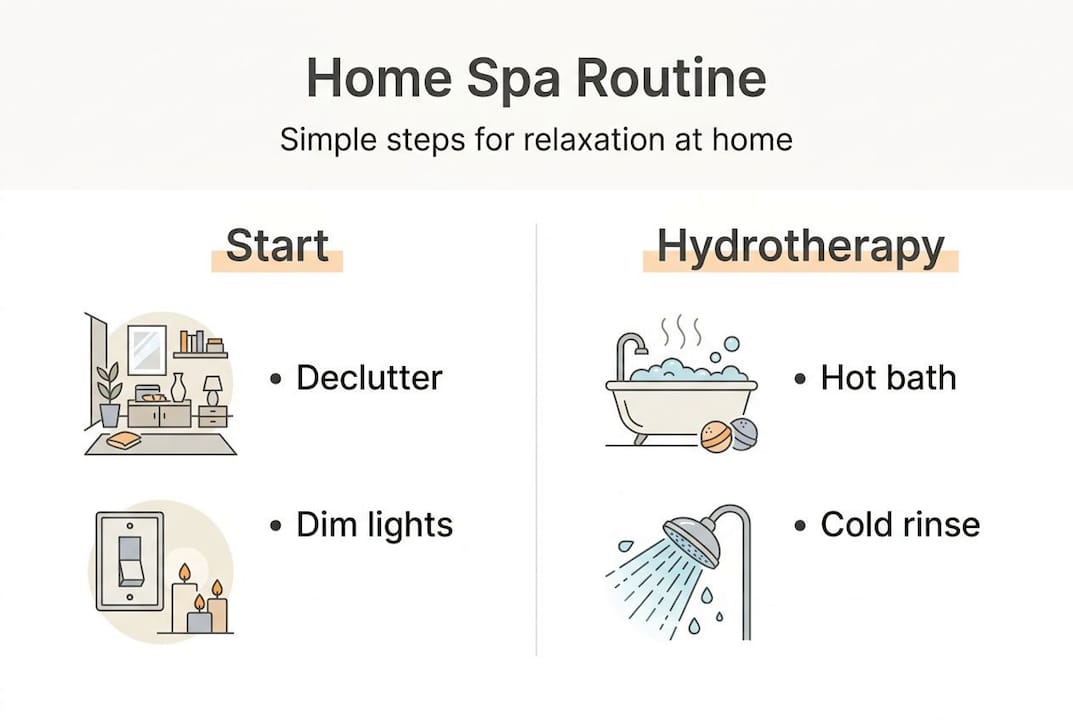
Decluttering and incorporating natural elements like plants directly improves mental clarity and reduces the cognitive load that keeps you tense. A cluttered bathroom or spare room sends constant low-level stress signals to your brain. Clear the counters, store anything that doesn’t belong, and treat your spa space as a dedicated zone with a single purpose: your recovery.
Once the space is clear, color and texture do more work than most people expect. Soft blues, warm whites, and earthy greens are associated with lower heart rate and calmer breathing. Layer in plush towels, a bamboo bath mat, and a few potted plants to prioritize sensory design that signals safety and calm to your body.
Natural light is your best free tool. If your space has a window, maximize it during daytime sessions. For evening use, warm-toned bulbs around 2700K mimic candlelight and support melatonin production. Pair this with a small air purifier or open window to keep air quality fresh.
Here’s a quick comparison of common design choices and their impact:
| Design element | High impact option | Low impact option |
|---|---|---|
| Lighting | Warm bulbs, 2700K | Harsh overhead fluorescents |
| Color palette | Soft blues, warm whites | Bright reds, stark grays |
| Flooring texture | Bamboo mat, plush rug | Cold tile with no covering |
| Plant presence | 2-3 live plants | Artificial or none |
| Scent | Eucalyptus diffuser | No scent or synthetic sprays |
For scent and sound, keep it simple. A eucalyptus or lavender diffuser and a lo-fi playlist or nature sounds playlist are enough to shift the mood quickly. These multi-sensory cues work together to reinforce the relaxation signal.
Key setup essentials:
- Remove all non-spa items from the space
- Use soft, warm lighting for evening sessions
- Add at least one live plant for air quality and visual calm
- Keep a dedicated shelf or basket for your spa supplies
- Use a diffuser with a single, consistent scent you associate with rest
Pro Tip: Pick one scent and use it only during spa sessions. Over time, your brain will associate that scent with deep relaxation, making it easier to switch off faster each time.
For more on optimizing home spa environment, explore how layout and product placement can further support your recovery goals.
Essential tools and materials for your home spa
With your environment set, let’s gather the materials that will transform your space into an authentic spa. The right tools make the difference between a pleasant bath and a genuine recovery session.
Hydrotherapy is the backbone of any serious home spa. Spa therapy reduces pain and improves function in patients with chronic low back pain, which means the water-based elements of your routine carry real clinical weight. A deep soaking tub is the entry point. If you want to go further, cold plunges and saunas represent the most effective tools for recovery and circulation available for home use today.
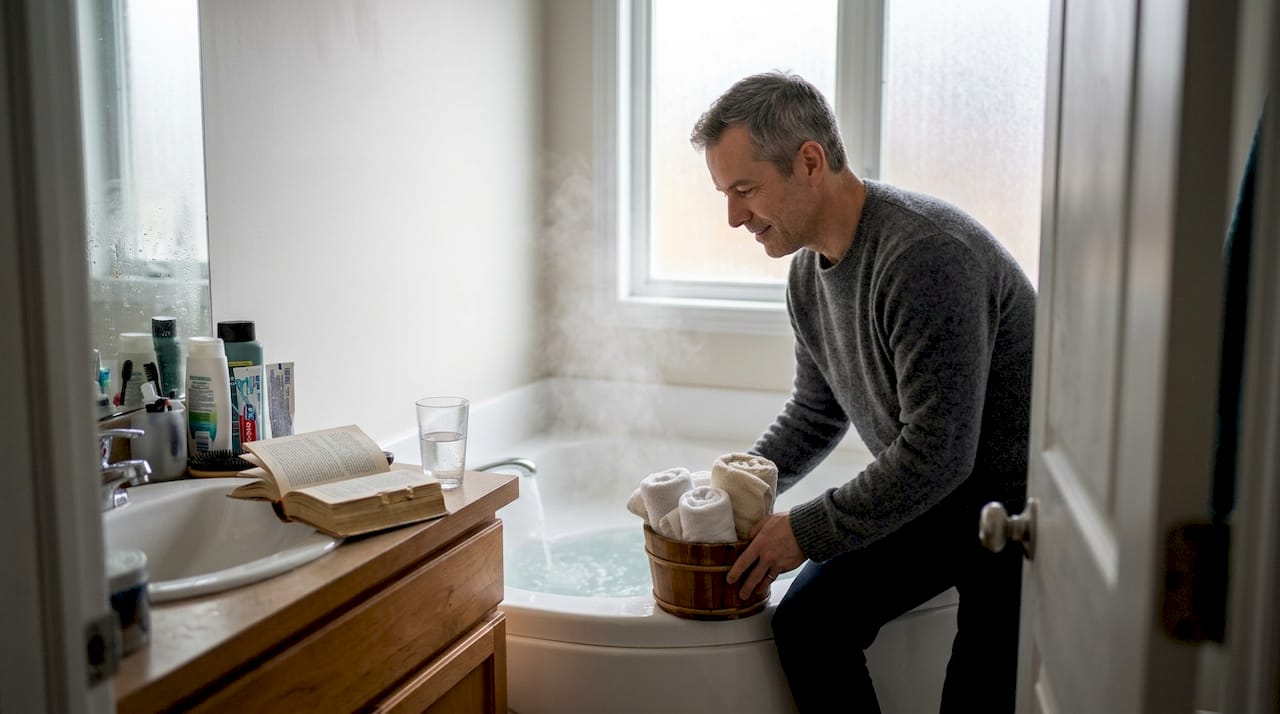
Here’s a practical overview of what to gather:
| Category | Essential items | Optional upgrades |
|---|---|---|
| Hydrotherapy | Deep soaking tub, shower | Cold plunge tub, infrared sauna |
| Skin care | Exfoliation mitt, facial mask | Facial steamer, gua sha tool |
| Atmosphere | Candles, essential oil diffuser | Bluetooth speaker, salt lamp |
| Comfort | Plush towels, robe | Heated towel rack, eye mask |
| Hydration | Large water bottle | Electrolyte drink, herbal tea |
Skin care tools don’t need to be expensive to be effective. A dry brush or exfoliation mitt used before bathing improves circulation and removes dead skin cells, making any mask or moisturizer you apply afterward more effective. A facial steamer opens pores and can be used for 5 to 10 minutes before applying a clay or hydrating mask.
Must-have starter kit:
- Exfoliation mitt or dry brush
- Quality bath salts or Epsom salts
- Essential oil diffuser with lavender or eucalyptus oil
- Two or three thick, absorbent towels
- A soft robe for post-session warmth
- A large water bottle to stay hydrated throughout
Pro Tip: Choose materials that are easy to clean and maintain. Spa habits stick when the setup is low friction. If your tools are hard to store or clean, you’ll skip sessions. Keep everything in one basket or caddy so setup takes under two minutes.
Investing in quality hydrotherapy equipment pays off over time. A single cold plunge or sauna session at a commercial facility can cost $30 to $80. A home setup delivers those benefits daily at a fraction of the long-term cost.
Step-by-step home spa routine
Next, let’s walk through the essential spa routine to guarantee results for body and mind. Sequencing matters more than most guides admit. Doing things in the right order amplifies each step’s effect.
Your complete home spa sequence:
- Hydrate first. Drink 12 to 16 ounces of water before you begin. Hydrotherapy causes fluid loss through sweat, and starting hydrated protects your cardiovascular system.
- Warm bath or shower. Start with 10 to 15 minutes of warm water immersion. This opens pores, relaxes muscles, and prepares your skin for treatment. Hot bathing post-exercise enhances muscle strength gains and reduces peripheral fatigue, making this step especially valuable after training.
- Exfoliate. While skin is warm and pores are open, use your mitt or dry brush in circular motions from feet upward. Spend 3 to 5 minutes on this step.
- Facial treatment. Apply your mask and let it sit for 10 to 15 minutes. This is a good time to lie back, close your eyes, and let the atmosphere do its work.
- Self-massage. Use a massage oil or body lotion and work through tight areas, especially the neck, shoulders, and feet. Following a structured routine that includes self-massage delivers measurable relaxation benefits.
- Cold contrast (optional but powerful). End with 60 to 90 seconds of cool or cold water. This contrast between hot and cold boosts circulation and supports faster recovery.
- Meditation or breathwork. Finish with 5 to 10 minutes of slow breathing or a guided meditation. This seals the nervous system shift from stress mode into recovery mode.
Safety note: If you have sensitive skin, cardiovascular conditions, or are pregnant, avoid extreme temperature shifts between hot and cold water. Stick to mild contrasts and consult your doctor before adding cold plunge or high-heat sauna sessions to your routine.
Signs your routine is working:
- Deeper, faster sleep after sessions
- Reduced muscle soreness the following day
- Lower perceived stress within 30 minutes of finishing
- Improved skin texture over 2 to 3 weeks
Pro Tip: Add a 5-minute body scan meditation immediately after your cold contrast step. The combination of temperature shift and mindful breathing accelerates the parasympathetic response, which is your body’s rest-and-digest mode, more effectively than either practice alone.
Building wellness routines around consistent sequencing is what separates people who feel occasional relief from those who experience lasting recovery benefits.
Troubleshooting and optimizing your spa experience
After mastering the routine, let’s ensure your spa becomes a lasting sanctuary for wellness by avoiding pitfalls and optimizing habits.
The most common reason home spas stop working is distraction. A phone notification, a cluttered counter, or background noise from the rest of the house can pull your nervous system back into alert mode within seconds. Guard your session time like an appointment.
Repeated balneotherapy improves skin hydration and lowers stress markers, but only when sessions are consistent. Occasional use delivers occasional results. The cumulative effect of two to three sessions per week is where the real transformation happens.
Common mistakes and how to fix them:
- Overloading on additives: More bath bombs, oils, and supplements don’t equal better results. Stick to a few proven elements rather than experimenting with every trending product.
- Skipping hydration: Dehydration during hydrotherapy reduces the benefits and can cause lightheadedness. Always drink water before and after.
- Inconsistent timing: Random, infrequent sessions won’t build the habit loop your nervous system needs. Schedule sessions like workouts.
- Ignoring maintenance: A diffuser with old oil, a mildewy mat, or a cluttered shelf undermines the sensory experience. Clean your space after every session.
- Rushing the sequence: Cutting steps short reduces the cumulative effect. Even 45 minutes done properly beats a rushed 20-minute session.
For spa optimization tips that go beyond the basics, tracking your sessions is one of the most underused strategies available.
Pro Tip: Keep a simple spa journal. After each session, note how you felt before and after, which steps you completed, and any changes in sleep or soreness. After four weeks, patterns emerge that help you refine your routine for even better results.
Our take: Why evidence-based practices matter in a home spa
Putting it all together, here’s a perspective you won’t find in most home spa guides.
The wellness industry generates billions of dollars selling the idea that the right product will change your life. Crystals in your bath water, $80 bath bombs, and proprietary mineral blends get marketed as transformative. Most of it is noise.
What actually works is boring by comparison: warm water, cold contrast, consistent timing, natural light, and plants. The research on evidence-based wellness consistently points back to these fundamentals rather than to premium additives.
We’ve seen this pattern repeatedly. People spend heavily on trending spa products, get a few pleasant sessions, and then abandon the routine when the novelty fades. The people who maintain lasting results are the ones who build simple, repeatable systems around proven methods.
The balneotherapy research makes this clear: it’s the repeated, consistent application of water therapy that drives skin and stress improvements, not the brand of salt you use. Build your home spa on what works. Add the extras if you enjoy them, but don’t let them replace the foundation.
Enhance your wellness journey with EverVibe Life
Your home spa is only as powerful as the tools you use to build it. EverVibe Life offers a curated range of premium recovery equipment designed specifically for home use, from infrared saunas to cold plunge tubs that bring clinical-grade hydrotherapy into your daily routine.
If the routines in this guide resonated with you, the next step is upgrading your hydrotherapy setup. EverVibe Life wellness solutions are built for health-conscious individuals who want real results, not just a relaxing aesthetic. Browse the full collection to find the right fit for your space, your goals, and your recovery needs. Free shipping and hassle-free returns make it easy to start.
Frequently asked questions
What are the most important elements for a home spa?
Calming colors, natural light, plants, quality hydrotherapy equipment, and evidence-based routines create the foundation for a relaxing, effective home spa. Decluttering and natural elements are the starting point before any product investment.
How often should you use your home spa for best results?
Consistency is key; regular sessions, ideally 2 to 3 times a week, maximize recovery and wellness benefits. Repeated balneotherapy shows measurable improvements in skin hydration and stress outcomes with regular use.
Can hot baths improve muscle recovery after exercise?
Yes, evidence shows hot bathing post-exercise improves muscle strength gains and reduces peripheral fatigue, making it a practical recovery tool after training sessions.
Are essential oils or scented candles necessary for a home spa?
They enhance the atmosphere but are not essential. Natural elements and hydrotherapy are the most critical components for genuine wellness benefits; scent is a helpful addition, not a requirement.
What mistakes should I avoid when building a home spa?
Avoid clutter, distractions, and over-relying on trendy additives. Clutter increases stress and undermines the effectiveness of your spa environment, so keep the space clean and focused on proven practices.